
 Deutsch
 한국어
한국어
Choosing the right hybrid stepper motor manufacturer is a critical decision for OEM buyers and automation engineers. The supplier you select directly affects system precision, reliability, and long-term operational costs.
Unlike simple component sourcing, selecting a motor manufacturer requires evaluating engineering capabilities, production consistency, and customization flexibility. Hybrid stepper motors are widely used in CNC systems, robotics, medical devices, and packaging automation due to their balance of precision and cost efficiency.
This guide provides a structured comparison approach to help you identify the most suitable supplier based on real industrial requirements rather than marketing claims.
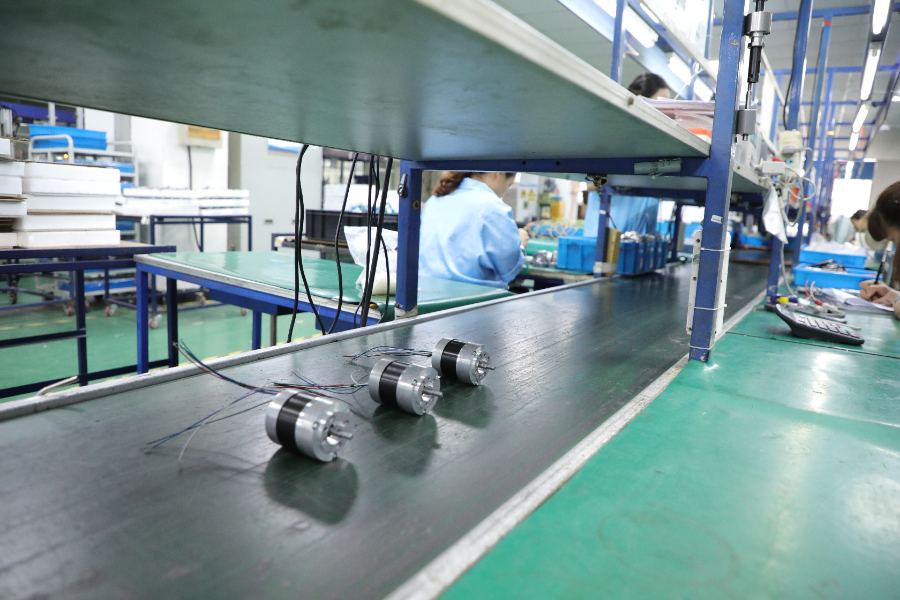
What Makes a Hybrid Stepper Motor Manufacturer Reliable?
A reliable manufacturer is defined by more than just product availability. It reflects a combination of engineering expertise, production capability, and quality control systems.
Key evaluation factors include:
Precision machining and rotor alignment
Consistent torque output across batches
Thermal stability under continuous load
Quality certifications (ISO, CE)
Application engineering support
Manufacturers that specialize in open-loop positioning systems typically offer stronger integration support. For example, industrial solutions like two-phase open loop motor systems are widely used due to their simplicity and reliability.
Understanding motor control fundamentals is also essential. See:stepper motor driver working principle
Key Technical Parameters for Comparison
When comparing manufacturers, engineers should prioritize measurable specifications rather than marketing claims.
| Parameter | Why It Matters | Typical Range |
|---|---|---|
| Step Angle | Positioning resolution | 1.8° / 0.9° |
| Holding Torque | Load capacity | 0.2–12 Nm |
| Current Rating | Thermal efficiency | 1–6 A |
| Inductance | Speed performance | Lower is better |
For deeper engineering selection logic, refer to stepper motor selection guide.
Global Manufacturer Comparison Overview
Hybrid stepper motor manufacturers can be grouped into premium, mid-tier OEM, and low-cost suppliers.
Premium manufacturers: high precision, high cost, aerospace/medical use
Mid-tier OEM suppliers: balanced cost-performance, industrial automation focus
Low-cost suppliers: budget-friendly but inconsistent quality
For industrial buyers, supplier evaluation should go beyond price and include production consistency and engineering support.
Hybrid Stepper vs Other Motor Technologies
Hybrid stepper motors are often compared with BLDC and servo systems depending on application needs.
| Feature | Stepper Motor | BLDC Motor | Servo Motor |
|---|---|---|---|
| Control | Open loop | Closed loop | Closed loop |
| Cost | Low | Medium | High |
| Precision | High (low speed) | Moderate | Very high |
For high-speed applications, consider brushless DC motors.
For selection comparison, see stepper vs servo motor guide.
The Importance of Gearbox Integration
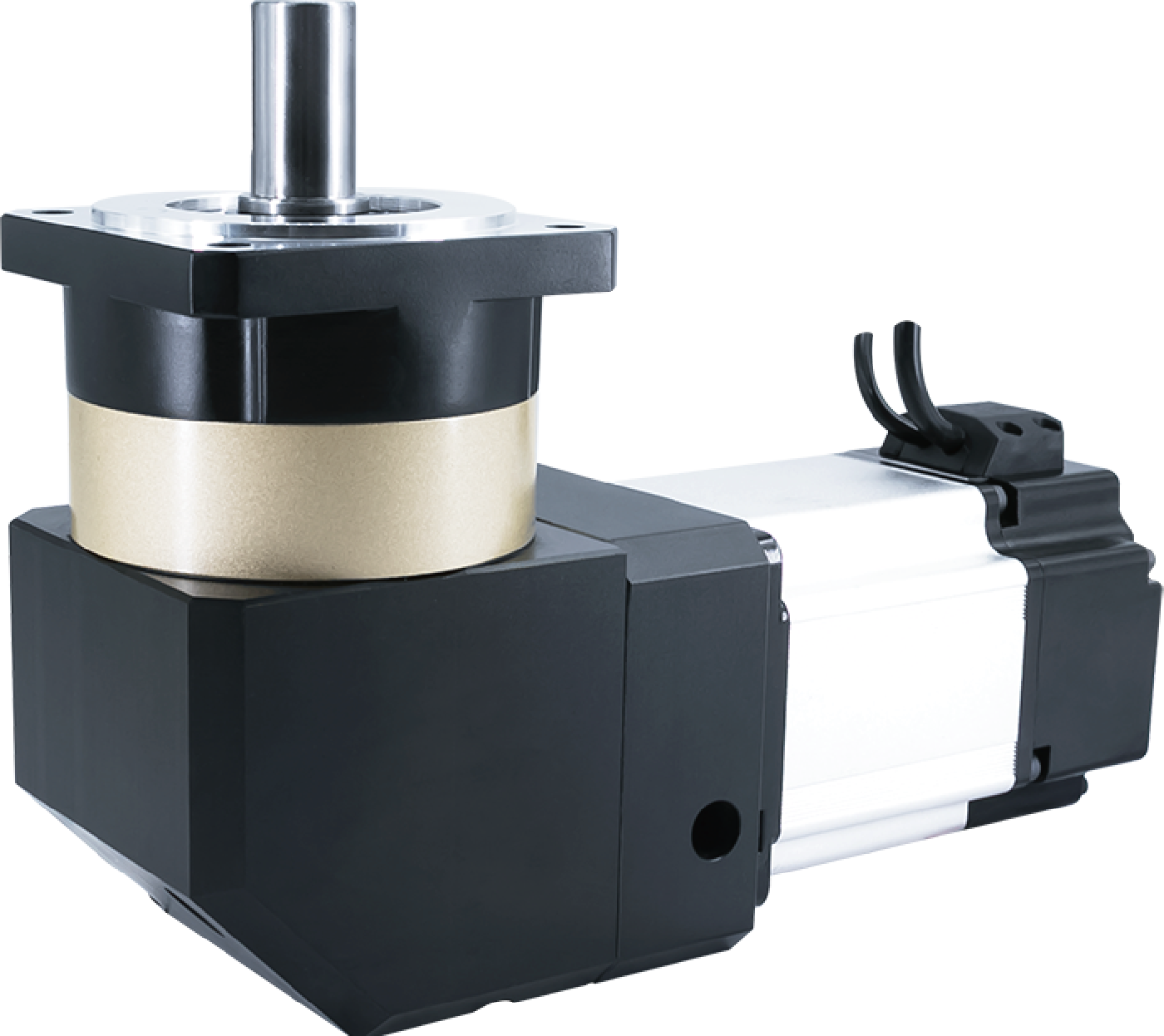
Many industrial systems require higher torque than a standard motor can provide. Gearbox integration solves this challenge effectively.
Planetary gear systems offer increased torque density, reduced vibration, and improved load handling.
Learn more about integrated solutions:planetary reduction motor systems
OEM Customization Capabilities
Customization is a key factor in OEM selection. Not all manufacturers can support engineering-specific requirements.
Common customization options include:
Shaft modifications
Winding customization
Connector types
IP protection levels
Integrated encoder options
For engineering customization and OEM development, explore:custom motor engineering services
Application-Based Manufacturer Selection
Different industries require different motor characteristics.
CNC systems → torque + precision
Robotics → compact + efficiency
Medical devices → low noise + reliability
Packaging → speed + durability
Proper control system integration is critical for performance. Learn more:motor control fundamentals
Cost vs Performance: Avoiding Common Pitfalls
Choosing suppliers based only on price often leads to higher long-term costs due to failure rates and maintenance issues.
Key hidden cost factors include energy efficiency, downtime, and replacement cycles. A balanced supplier selection ensures better lifecycle value.
How to Choose the Right Manufacturer
Step-by-step evaluation process:
Define technical requirements
Compare supplier specifications
Request samples
Evaluate production capability
Assess engineering support
Request Engineering Support
For OEM projects requiring customization or technical evaluation, contact our engineering team directly:
contact our motor specialists for RFQ and technical consultation
Frequently Asked Questions
What is a hybrid stepper motor?
It combines permanent magnet and variable reluctance technologies for high precision and torque output.
How do I compare manufacturers?
Focus on specifications, consistency, customization capability, and engineering support.
Are mid-tier manufacturers reliable?
Yes, many provide excellent cost-performance balance for industrial use.
When should I choose BLDC motors?
When high speed and efficiency are required.
Is customization important?
Yes, especially for OEM and system integration projects.
Conclusion
Selecting hybrid stepper motor manufacturers requires a structured engineering-based evaluation approach. The best suppliers provide not only products but also customization capability and system-level support.
For OEM buyers, the goal is to achieve long-term stability, not just low initial cost. Working with a technically capable manufacturer ensures better performance and reduced risk in industrial applications.