
 Русский
Choosing the right brushless DC motor manufacturer is no longer just about price or size—it’s about long-term reliability, customization, and support. With the global BLDC market expected to grow significantly through 2035, more OEMs and integrators are actively comparing BLDC motor manufacturers by engineering capability, lead time, and after-sales service.
This guide explains what to look for when selecting a brushless DC motor manufacturer, how to match a BLDC motor to your application, and why an engineering-driven supplier like HDB Motors can help you reduce development risk and total cost of ownership.
1. What Is a Brushless DC Motor Manufacturer?
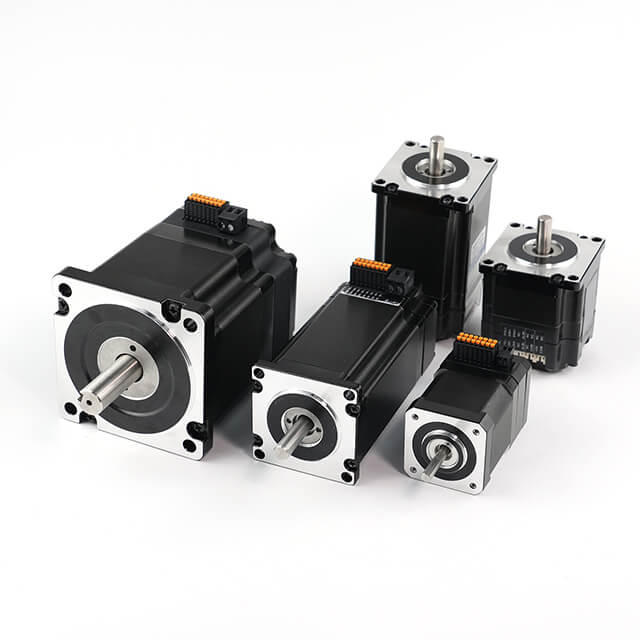
A brushless DC motor manufacturer designs, produces, and tests BLDC motors for industrial, automation, medical, and consumer applications. Unlike brushed motors, brushless DC motors use electronic commutation, which improves efficiency, reduces maintenance, and extends service life.
When you choose a BLDC motor manufacturer, you are not only buying a motor but also:
Motor design and simulation
Winding and magnetic design
Thermal management and vibration control
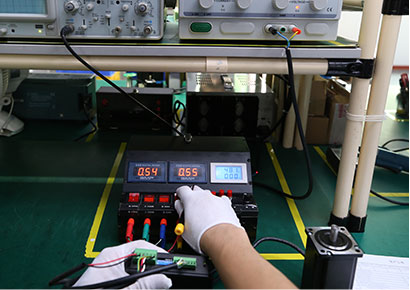
Testing, documentation, and technical support
For many buyers, the biggest differentiator is how well the manufacturer can customize the motor to your mechanical interface, control method, and environmental conditions.
2. Why Are Brushless DC Motors Becoming the First Choice?
Brushless DC motors have become the preferred solution in many high-value applications because they offer 85–95% efficiency, nearly maintenance-free operation, and higher speed capability compared to brushed motors.
High efficiency across a wide load range
No brush wear, longer lifespan
Lower noise and smoother torque
Better controllability
3. 7 Key Factors When Selecting a BLDC Motor Manufacturer
3.1 Voltage Range and Power Requirements
Match the BLDC motor’s voltage range to your system (12V, 24V, 36V, 48V).
view BLDC motor voltage options
3.2 Torque and Speed Matching
Ensure the torque–speed curve matches your load profile and duty cycle.
3.3 Frame Size and Installation Compatibility
Mounting dimensions
Shaft size
Connector position
download BLDC motor dimension drawings
3.4 Feedback and Control Strategy
Hall sensors
Sensorless control
Encoder systems
3.5 Protection Rating and Environmental Conditions
IP rating (IP54, IP65)
Temperature range
Humidity resistance
3.6 Customization and OEM Support
Custom shafts and flanges
Winding optimization
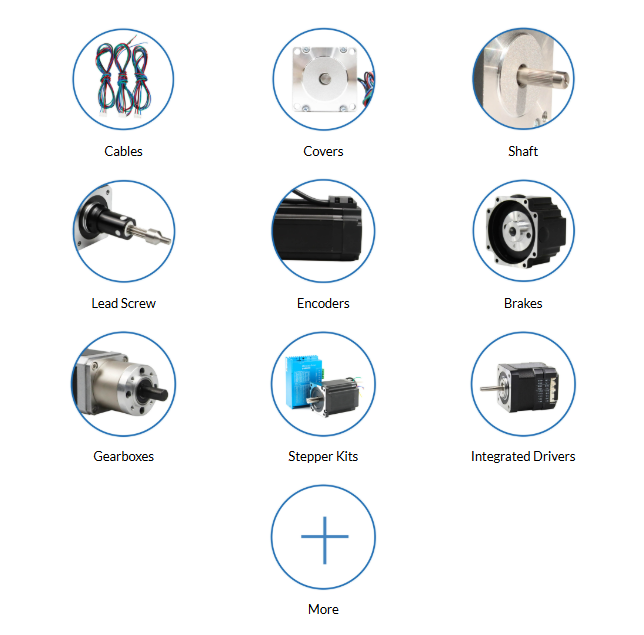
Integrated gearbox or encoder
learn about our custom BLDC motor services
3.7 Development Support and Certification
Datasheets and reports
Thermal testing
CE / RoHS compliance
4. What Documents Should You Request?
Technical datasheet
3D drawings
Wiring diagram
Driver recommendations
Test reports
5. Typical Applications of BLDC Motors
5.1 Industrial Automation and Robotics
BLDC motors for industrial automation
5.2 Medical Devices
Used in pumps, ventilators, and imaging systems.
5.3 Drones and UAVs
High-speed and lightweight applications.
5.4 Power Tools and Small Machines
BLDC motors for power tools and small machines
6. Custom BLDC Motor Design
6.1 Mechanical Requirements
Shaft dimensions
Flange size
Connector type
6.2 Electrical Parameters
Voltage and current
KV rating
Winding type
6.3 Feedback Options
Hall sensors
Encoders
6.4 Noise and Thermal Performance
see our low-noise BLDC motor designs
7. Why Choose HDB Motors?
Engineering-driven customization
Competitive pricing
Fast lead time
Global OEM support
HDB Motors BLDC motor manufacturer
8. Who Is This Guide For?
OEM / ODM manufacturers
Automation system designers
System integrators
R&D teams
HDB Motors for OEMs and automation projects
9. FAQ
What is the difference between brushed and brushless motors?
Brushless motors use electronic commutation, offering longer life and higher efficiency.
Do BLDC motors need a controller?
Yes, they require a driver or ESC.
How to choose torque and speed?
Match your load requirements with motor curves.
Typical customization lead time?
Usually 4–8 weeks depending on complexity.
Sensorless vs Hall sensor?
Sensorless for cost, Hall sensors for precision.
10. Get Your Custom BLDC Motor Solution
If you are looking for a reliable brushless DC motor manufacturer, HDB Motors is ready to help.
Request a BLDC motor quote
Explore our BLDC motor product range